

Find the evidence.
Understand the risk.
Explore clear research on Bitcoin mining, mining apps, cloud-mining services and crypto rewards. We look beyond promotional claims and explain what the available evidence can actually show.
Use this desk to find a review, compare services, understand a mining claim or check a withdrawal before you make a decision.

The complete Work Encyclopedia lists all 112 published articles. The swipe deck currently contains 107 entries; the BitVexor review is available in the archive below.
CRYPTOKASHYAP · RESEARCH LIBRARY
Explore Research Highlights
Swipe through selected research highlights, filter by topic, and open an article to explore the full investigation. The complete published archive is listed in the Work Encyclopedia below.




Browse published CryptoKashyap research. Each card links to its full article; use the topic filter to narrow your reading.
Start with the research that matters
New to crypto mining or rewards? Begin with these guides and comparisons. They explain the main questions before you look at individual platforms.
Free Bitcoin Without Deposit: Methods, Payouts & Risks
Compare no-deposit Bitcoin earning methods, withdrawal minimums, fees and country restrictions, with practical checks to avoid reward scams.
10 Bitcoin Mining Apps in 2026: Which Ones Actually Pay BTC?
Compare 10 Bitcoin mining apps and related tools in 2026. See which offer BTC reward routes, which manage real mining, and which are paid cloud-mining products or simulations. Check the evidence and risks before installing or paying.
Bitcoin Mining Profitability: Costs, Profit and Break-Even Explained
Estimate Bitcoin mining electricity costs, pool fees, operating profit, break-even electricity rate and simple ASIC payback using your own assumptions. Educational estimates only; no guaranteed returns.
23 Bitcoin Rewards Apps and Services: What They Actually Pay
Compare 23 Bitcoin rewards apps and related services. See which pay BTC or sats, which use other tokens, and what to check about fees, eligibility, withdrawals and risks.
Bitcoin Cloud Mining Apps: What Your Phone Can – and Can't – Actually Do
Bitcoin cloud-mining apps may show BTC rewards without mining on your phone. Learn how remote hashrate claims work, what to check before installing, and how to assess withdrawals.
Before You Install a Crypto Mining App: 12 Checks That Could Save You
Use this 12-point checklist to assess a mining app’s operator, reward model, token details, withdrawals, fees, KYC, privacy and payout evidence before installing or paying.
Explore by topic
Browse published research by collection. Each link opens its dedicated CryptoKashyap hub or guide.
Withdrawals & Blockchain Verification

Questions worth asking before you trust a crypto claim
These short editorial discussions explain common points of confusion. Each answer links to deeper research where you can check the details.
Not necessarily. A phone app may connect to remote hardware, track a cloud service, give promotional rewards or simulate a mining balance. The app’s label alone does not prove that your phone is doing proof-of-work mining.
Check what the app says it does, who operates the service and whether the mining activity can be independently supported.
Can you mine Bitcoin on a phone? → · How to check an app’s mining claim →
A screenshot is a claim, not independent payment evidence. A transaction ID on the correct blockchain gives you a record to inspect. You still need to match the network, amount and destination to the specific withdrawal.
A real transaction also does not prove that every customer can withdraw or that the payment came from mining revenue.
No provider can remove the risks of changing mining difficulty, Bitcoin price, contract fees, operating costs and counterparty failure. A displayed daily estimate is not a guaranteed return.
Compare the full contract cost and payout rules. Then test the assumptions with your own numbers.
Understand cloud-mining contract costs → · Calculate mining break-even costs →
A free app may earn through advertising, referrals, optional purchases, data-related business models or a separate paid service. The exact model depends on the app and should be checked in its disclosures and terms.
Free to install does not mean there are no costs, privacy trade-offs or withdrawal conditions.

How we check a claim
We keep the process clear. A provider’s statement, an official document and an independently checked record are not the same thing.

What our evidence labels mean
These labels describe a specific claim and the evidence available at the time of review. They are not permanent ratings or guarantees about a platform.
Missing evidence does not prove fraud. A company registration does not prove a product works as advertised. We explain the exact point that was checked and avoid claims that go beyond the record.

Read our research standards
Our published policies and methods for reviewing platforms, checking sources and maintaining editorial accountability.
Research desk FAQs
What can I find in the CryptoKashyap Research Desk?
You can find mining app reviews, cloud-mining investigations, Bitcoin mining guides, crypto reward app research, alternatives, comparisons and withdrawal verification guides.
Are all 112 published articles included in the Work Encyclopedia?
Yes. The Work Encyclopedia below lists all 112 published articles in the current WordPress inventory. The swipe carousel above is a curated set of 107 research highlights, not the complete archive. Drafts and scheduled posts are excluded.
Does an “unverified” label mean an app is a scam?
No. It means we could not find enough reliable evidence to confirm the specific claim. We explain what remains unknown and do not treat missing evidence as proof of fraud.
Does a blockchain transaction prove that a mining app pays every user?
No. A transaction record proves that a transfer was recorded on a blockchain. It does not prove that every user can withdraw or that the payment came from mining revenue. The details must be matched to the claim.
Does CryptoKashyap test every app and mining platform?
No. Articles are desk research unless a specific article describes a documented hands-on test. We do not claim to have purchased every plan, operated every miner or tested every withdrawal.
Can I suggest a correction or share evidence?
Yes. Use the Contact page to share a relevant page, official document or public transaction reference. Never send passwords, seed phrases or private keys.
How often is the CryptoKashyap Research Desk updated?
The Research Desk changes as new articles are published and when existing information needs correction or clarification. Directory entries reflect the published content available when the page is updated. We do not promise a fixed update schedule, so check each article’s review date and the platform’s current official information.
How can I find a specific mining app or crypto platform?
Use the search box in the research directory to enter an app, company or platform name. You can narrow the results with the topic and content-type filters, then use the sorting control to organize the matching articles. Clear your search or filters to return to the full directory.
How does CryptoKashyap classify a mining app as legitimate or risky?
We assess the evidence available for the specific app and its claims. This can include developer and operator transparency, official documentation, published terms, verifiable activity, withdrawal records and unresolved risks. A classification is an editorial assessment, not a guarantee of safety, future payments or profitability.
What evidence is needed to verify a crypto withdrawal?
Useful evidence can include the transaction ID (TXID), the correct blockchain network, a public blockchain-explorer record, the destination wallet address, the date and the amount. These details should match the withdrawal being discussed. A transaction record can confirm an on-chain transfer, but it may not establish who controlled the wallets or why the payment was made.
Are withdrawal screenshots enough to prove that an app pays?
No. Screenshots can be edited, lack context or show an entry that cannot be independently checked. A public transaction ID and matching blockchain-explorer record are stronger evidence for an on-chain transfer. Even then, one verified payment does not prove that all users can withdraw or that the app’s wider claims are accurate.
Does a mining app have to use real blockchain mining to be legitimate?
No. An app can operate as a rewards program, a mining simulator, a cloud-mining service or another type of product without mining on the phone itself. The important point is whether it describes its business model honestly and supports its specific claims. We distinguish actual proof-of-work mining from simulated balances, promotional rewards and remote-mining claims.
Why can two CryptoKashyap articles reach different conclusions about similar apps?
Apps that look similar may have different developers, business models, terms, payment routes, versions and evidence. Findings can also change over time. Each article evaluates the specific product and the evidence available for its review date, rather than assuming that one app’s results apply to another.
How can I report outdated information or submit new evidence?
Use the Contact page and include the article URL, the detail you believe is outdated and a link to relevant official documentation or a public transaction record. Explain when the information was observed and which app version or service it concerns. Never share passwords, recovery phrases, seed phrases, private keys or other account credentials.
CryptoKashyap Work Encyclopedia
A directory of the research, reviews, guides and comparisons published across CryptoKashyap. Every entry links to its published article.
Mining App Reviews
Published reviews of mobile mining apps, mining simulators and app-based crypto services.
24 published
- A-Network App Review 2026: Legit, Safe or Real? | Crypto Mining App
- Aventra Network Review 2026: Is AVN Mining Real or Just a Simulator?
- Awesome Miner Review: Is It Worth the Setup, Cost and Learning Curve?
- Bitcoin Miner Cloud Miner Review: Legit or Suspicious?
- Bitcoin Miner Cloud Review: Free Mining, Fees and Risks
- Bitcoin Mining Crypto Miner App Review: Is It Legit?
- Bruno USDT Miner Review: Is Its Balance Real or Just a Simulation?
- Cloud Mining Hub Review: Android App vs Paid Website – What Actually Pays?
- GoMining App Review: Can Digital Miners Earn Bitcoin After Fees?
- HashMine App Review 2026: Real or Fake? Legit & Safe Check | Bitcoin Cloud Mining App
- Ineminer Review: Domain Status, Mining Claims & Withdrawal Risks
- Intellaigent Review: Does This Bitcoin Cloud Mining App Really Pay?
- Kriptoon Review: Is Its Bitcoin Cloud Mining App Legit – and Does It Pay?
- Mining Now App Review 2026: Legit, Withdrawals & Privacy Risks
- NiceHash App Review: How Its Hashrate Marketplace, Fees & Bitcoin Payouts Work
- Omega Network App Review 2026: Legit, Safe or Real? | Crypto Mining App
- Pawns.app Review 2026: $5 Payout, Fees & Privacy
- Qeta Network App Review 2026: Legit or Fake? | QET Mining App
- Rise Miner App Review: Is It Legit and Does It Pay?
- SatocloudX App Review 2026: Legit, Safe or Real? | Crypto Miner App
- TapMiner Review: Is It a Real Mining App or a Simulator?
- TurboMiner App Review 2026: Legit, Safe or Real? | Bitcoin Cloud Mining App
- YouHodler Review: Cloud Miner Rewards, Fees and Withdrawal Rules
- Zyna Network App Review 2026: Legit, Safe or Real? | Crypto Mining App
Cloud Mining & Mining Provider Reviews
Published investigations of cloud-mining providers, contracts, hosting and mining platforms.
19 published
- 1BitUp Review: Cloud Mining Plans, Fees and Withdrawal Risks
- AST Mining Review: Plans, Returns, Fees and Risks
- BeMine.club Review: Mining Plans, Fees, Payouts & Risks
- BitCloud MineServer Review: Legit or Risky?
- BitCloudFarm Review 2026: Legit, Safe or Fake?
- BitcoinNova Review 2026: Legit, Mining Claims & Withdrawals
- Bitdeer Review: Mining Costs, Fees, Payouts and Risks
- BitFuFu Review: Cloud Mining Costs, Fees and Payout Risks
- BitVexor Review 2026: Bitcoin Mining Claims, Fees & Withdrawals
- Braiins.com Review: Mining Pool, Hashpower, Fees & Real-World Risks
- CloudMineCrypto Review: Is It Legit and Worth It?
- ECOS Review: What Do Its Bitcoin Mining Plans Really Cost?
- HostStratum Review: ASIC Hosting Costs & Risks
- Is Bitdeer Legit? Review, Mining Plans & Risks (2026)
- Is Power Mine ETH Legit? Review of Its Mining Claims and Payouts
- MiningBest Review: Costs, Plans & Risks
- NiceHash.com Review: Fees, Mining Profitability and Withdrawal Rules
- QuantumCloud Review: Can Your GPU Actually Earn Money?
- RollerCoin Review 2026: Is It Real Mining? Payouts & Risks
Crypto Rewards & Free Bitcoin
Published reward-app, faucet, referral and free-Bitcoin research.
16 published
- 23 Bitcoin Rewards Apps and Services: What They Actually Pay
- Best Free Bitcoin Earning Apps in the US (2026): What Actually Pays
- Best Ways to Earn Free Bitcoin: Compare 7 Methods
- Bitcoin Faucets That Pay: How to Verify Withdrawals and Avoid Scams
- Brave Rewards Review: BAT Earnings, Payouts and Country Availability
- Crypto App Referral Programs: How Rewards Work and What to Check
- Earnably Review 2026: Payouts, KYC & Offer Risks
- EarnCrypto.com Review 2026: Payouts, Rewards, Risks & Legitimacy
- EnCoin Review: Are Its Crypto Rewards Worth the Withdrawal Threshold?
- FaucetPay Review 2026: Fees, Minimums & Security
- Free Bitcoin Without Deposit: Methods, Payouts & Risks
- Free Cloud Mining Apps: Who Actually Pays for Your Bitcoin Rewards?
- Honeygain Review 2026: $20 Payout, Crypto & Risks
- Idle-Empire Review 2026: Crypto Payouts & Account Rules
- Bitrefill Review: Gift Cards, Crypto Payments, eSIMs & Refunds
- Fold Review: Bitcoin Rewards, 1.5% Base Rate & Credit Risks
Alternatives & Comparisons
Published provider alternatives, rankings and side-by-side comparisons.
14 published
- 10 AST Mining Alternatives: Compare Bitcoin Mining Options and Fees
- 10 Cloud Mining Apps & Platforms Compared: Fees, Contracts & Payout Risks
- 5 BeMine.club Alternatives: Compare Cloud Mining Fees and Risks
- Best 1BitUp Alternatives: 4 Cloud Mining Providers Compared
- Best Bitdeer Alternatives: 4 Cloud Mining Providers Compared
- Best BitFuFu Alternatives: 4 Mining Services Compared
- Best HashNova Alternatives: Cloud Mining Options Compared
- Best NovaHash.io Alternatives: Cloud Mining Options Compared
- Bitcoin Mining Electricity Costs by US State: 2026 Comparison
- Crypto Mining Apps Explained: Mobile Mining, Cloud Mining & Tap-to-Mine Compared
- ECOS Alternatives: 5 Bitcoin Mining Options Compared
- IonGrid Alternatives: 4 Bitcoin Hashrate Options Compared
- IQ Mining Alternatives: 5 Platforms Compared
- Mining Bitcoin or Buying It: Which Makes More Financial Sense?
Bitcoin Mining Guides & Economics
Published mining explainers, hardware, electricity, profitability, pools, taxes and operating-cost research.
19 published
- 10 Bitcoin Mining Apps in 2026: Which Ones Actually Pay BTC?
- Antminer S21 Profitability: Daily BTC Revenue & Electricity Costs
- Bitcoin Cloud Mining Apps: What Your Phone Can – and Can’t – Actually Do
- Bitcoin Mining App Not Paying? Check These 9 Things Before You Give Up
- Bitcoin Mining Apps for Android: Which Ones Are Worth Installing?
- Bitcoin Mining Apps: Which Ones Actually Mine, Pay or Just Simulate?
- Bitcoin Mining at Home: Electricity Costs, Heat & Safety
- Bitcoin Mining Electricity Rates: How to Find Your Break-Even Price
- Bitcoin Mining Profitability: Costs, Profit and Break-Even Explained
- Bitcoin Mining Taxes in the US: Income, Deductions and Records
- Can a Laptop Really Mine Bitcoin? Costs, Heat & Realistic Earnings
- Can You Really Mine Bitcoin on a Phone? What Works and What Doesn’t
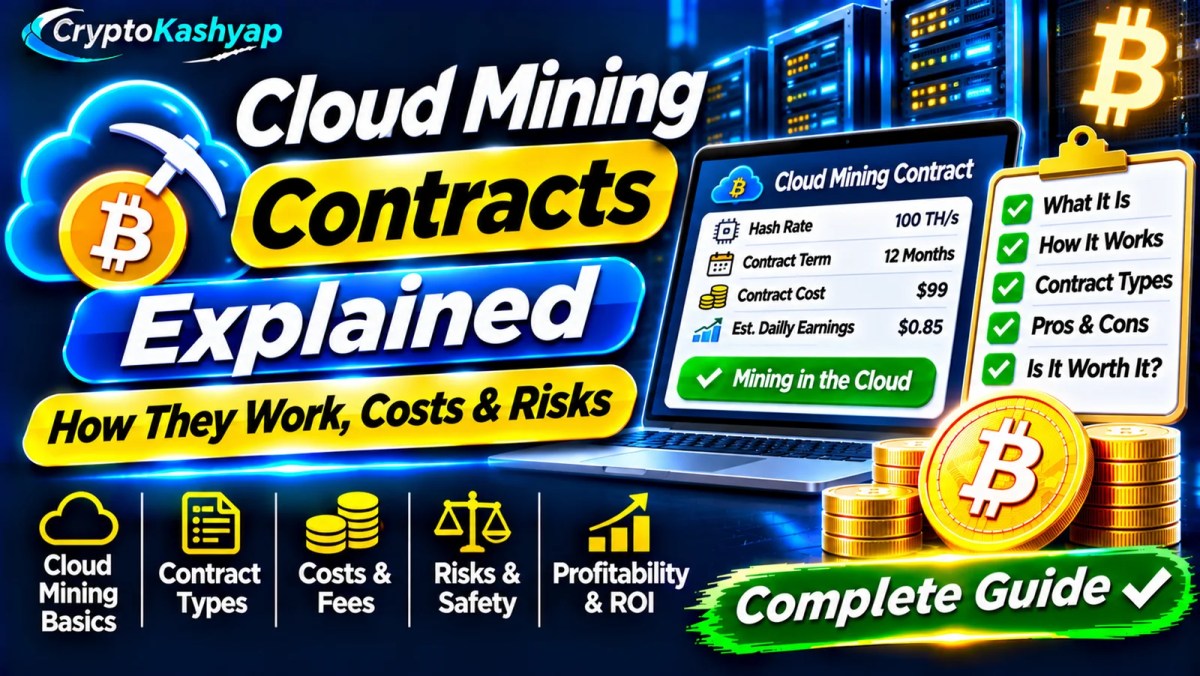
- Cloud Mining Contracts: 4 Hidden Costs to Check Before You Pay
- Cloud Mining vs ASIC Mining in 2026: Cost, Control and Risk
- ECOS Mining Profitability: Costs, Fees & Break-Even
- Fake Bitcoin Mining Apps: 10 Warning Signs You Shouldn’t Ignore
- How Bitcoin Mining Pools Work: Shares, Fees & Payout Methods
- How to Check Whether a Bitcoin Mining App Actually Mines: 7 Checks
- Is a Bitcoin Mining Company Legit? 9 Checks Before You Invest
Verification, Safety & How-To Research
Published checks covering app claims, developers, privacy, withdrawals, blockchain records and legal considerations.
12 published
- Before You Install a Crypto Mining App: 12 Checks That Could Save You
- Cloud Mining Withdrawal Stuck? 7 Reasons and What to Check Next
- Did the Cloud Mining Company Really Pay? 7 Ways to Verify It
- ECOS Withdrawal Problems: Minimums, Fees & Fixes
- How to Verify a Crypto Mining App Withdrawal on the Blockchain: 9 Checks
- Is Bitcoin Cloud Mining Legal in the US? 2026 Law & Tax Guide
- Is Cloud Mining Legit in 2026? What to Check Before You Invest
- Kryptex Review: Is It Legit and How Much Can You Earn?
- Mining App Privacy: 10 Google Play Data Safety Checks Before Installing
- Who Made This Mining App? 10 Developer Checks Before You Trust It
- Sparrow Wallet Review: Privacy, Coin Control, Fees & Security
- BlueWallet Review: Bitcoin Setup, Security, Backups & Lightning
Platform Updates & Other Published Research
Other published investigations and platform-specific research in the CryptoKashyap archive.
8 published
- 10 Lesser-Known Crypto Mining Apps: What They Mine, Pay & Disclose
- Bee Network Listing Date: Is $BEE Listed Yet?
- CryptoTab Browser Review: Can Browsing Really Earn You Bitcoin?
- Free Cloud Mining Sites: Can You Really Earn Bitcoin Without Paying?
- How GoMining Works: Digital Miners, TH/s & BTC Rewards
- M.etion Pay Review: Can You Withdraw M.etion Coin or BTC?
- Tap-to-Mine Apps Explained: How Pi-Style Mining Works, Rewards & Risks
- Tap-to-Mine Explained: Are You Mining Bitcoin or Just Collecting Points?
Published Website Pages & Hubs
Core directories, research hubs, editorial standards and site resources.
25 pages
- Best Crypto Apps: Reviews, Safety Checks & What to Know Before You Install
- Bitcoin Mining Apps: Real Mining, Cloud Services & Reward Games Explained
- Bitcoin Mining: The Complete Guide to Hardware, Costs & Profitability
- Cloud Mining Reviews: Provider Encyclopedia & Contract Research
- Crypto Mining App Database: Official Links, Payout Evidence & Safety Checks
- Crypto Research & Scam Checks: How We Verify Crypto Claims
- Crypto Rewards Apps: Reviews, Payouts & Safety Checks
- Mining App Reviews: Claims, Evidence & Interactive Directory
- How We Review Crypto Apps & Mining Platforms
- How We Review Crypto Apps & Mining Platforms
- Our Editorial Policy: Accuracy, Independence & Accountability
- Corrections Policy: How We Fix Errors
- How to Verify a Mining App Payout on the Blockchain
- Mining App Withdrawal Guide: Minimums, Fees and Delays
- How Free Mining Apps Make Money: Revenue Models Explained
- About CryptoKashyap: Evidence Before Hype
- Founder & Editor profile on About page
- Contact CryptoKashyap
- CryptoKashyap Sitemap
- Advertising & Sponsorship Disclosure
- Disclaimer & Affiliate Disclosure
- Mining Risk Disclaimer
- Privacy Policy
- Cookie Policy
- Terms of Use